Updated March 26, 2026 07:08AM
A 46-year-old hiker died from Rattlesnake Bite on California Trail
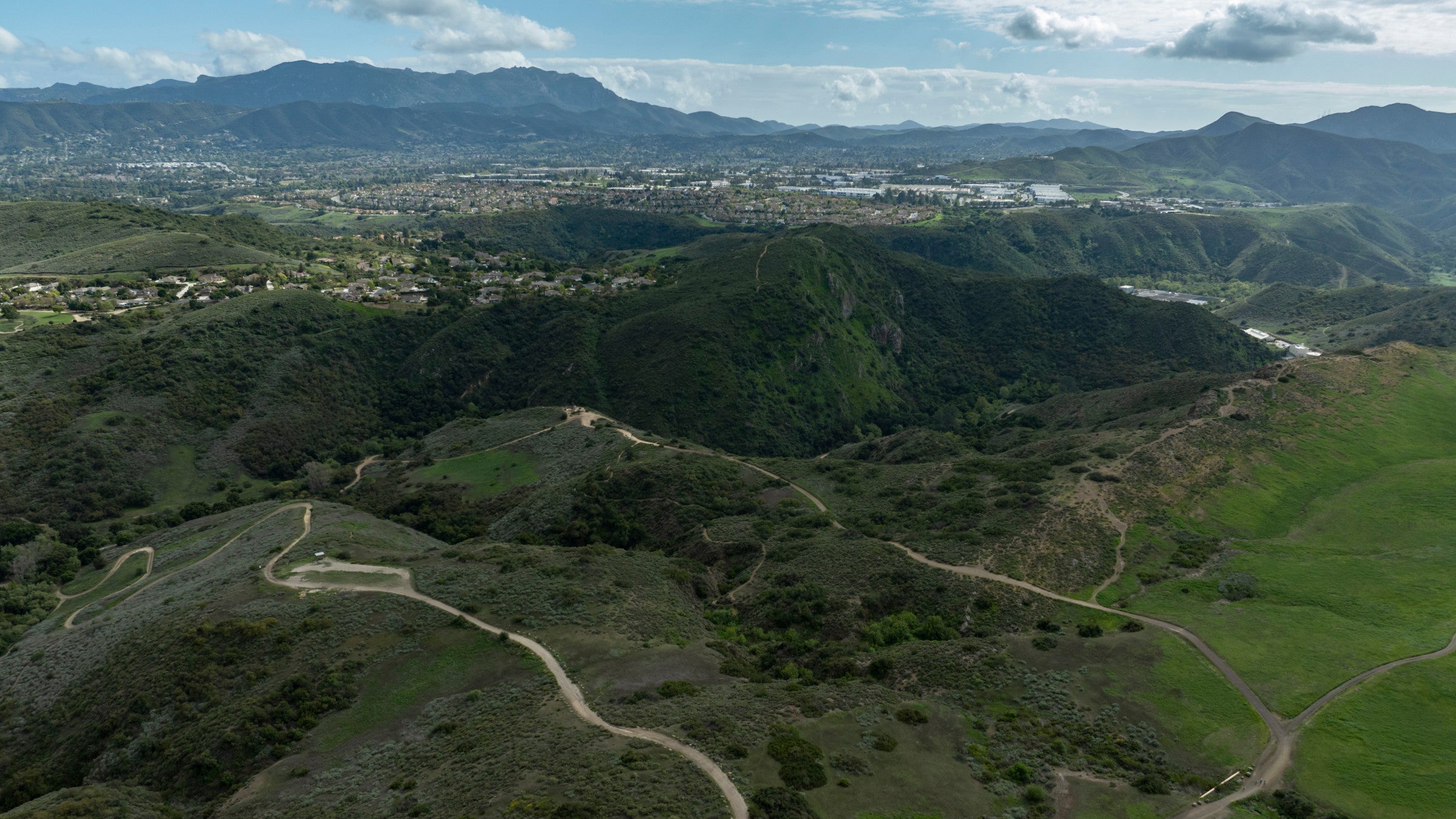
Gabriela Bautista was hiking at Wildwood Regional Park, a popular area near Thousand Oaks with 17 miles of trail, when she suffered a bite on March 14 at about 11:40 a.m., Ventura County Fire Department spokesperson Andrew Dowd told the Thousand Oaks Acorn. Emergency services airlifted Bautista to Los Robles Regional Medical Center, where she died on March 19. While the incident occurred earlier this month, it had not been publicly reported until this week.
Bautista’s death came just weeks after another fatal snake encounter in Southern California. On February 1, Julian Hernandez, 25, was mountain biking near Irvine. He stopped to adjust his shoe when he lost his balance and fell into some brush, where a rattlesnake apparently bit him, the Irvine Police Department told Los Angeles’s ABC7. While Orange County firefighters rushed Hernandez to the hospital, he died just over a month later on March 4.
A warm winter and spring across much of the western United States may be contributing to higher-than-usual rattlesnake activity. Dowd told Los Angeles’s KTLA that in 2025 the department recorded 9 rattlesnake-related calls, and that since March 14 alone, it had responded to 4. Following the bites, San Bernardino National Forest issued an alert warning visitors of rattlesnakes in the area.
Deaths by snakebite are extremely rare in the United States. According to the Centers for Disease Control and Prevention, 7,000 to 8,000 people suffer venomous snakebites every year, with only 5 or so dying as a result. In August of 2025, a hiker died from an allergic reaction to a rattlesnake bite in Tennessee’s Savage Gulf State Park. Authorities later said they believed that the hiker had picked up the snake, possibly in an attempt to move it.
Surviving a SnakebiteWhile rattlesnake bites are dangerous, the reptiles only bite humans in self-defense, generally when surprised or disturbed. But as the climate warms many experts expect encounters to rise.
- Stay alert and keep earphones out in areas where rattlesnakes are common. The snakes often—though not always—warn off threats by rattling.
- If you encounter a snake, give it a wide berth, at least 6 feet, preferably more. If it’s not safe to pass the snake, consider turning around. Do not, under any circumstances, attempt to move it or scare it out of the way.
- If bitten, stay calm and call 911. While waiting for assistance, stay still and keep the bite area below heart level.
- Do not attempt to cut or suck venom out of a bite. It does not slow the spread of the venom and can cause infection.


 IP卡
IP卡 狗仔卡
狗仔卡 发表于 2026-3-26 12:11:36
 提升卡
提升卡 置顶卡
置顶卡 沉默卡
沉默卡 喧嚣卡
喧嚣卡 变色卡
变色卡 显身卡
显身卡